I’ve always been hooked on how things work.
For more than a decade, I have used experiments to answer one practical question: what makes this work better? That has meant improving digital products, customer journeys and the processes behind them, then proving which ideas deserve further investment. Now it means building AI systems that save time, raise the quality of the work and keep delivering after the first impressive demo.
Your AI edge, tested not copied.
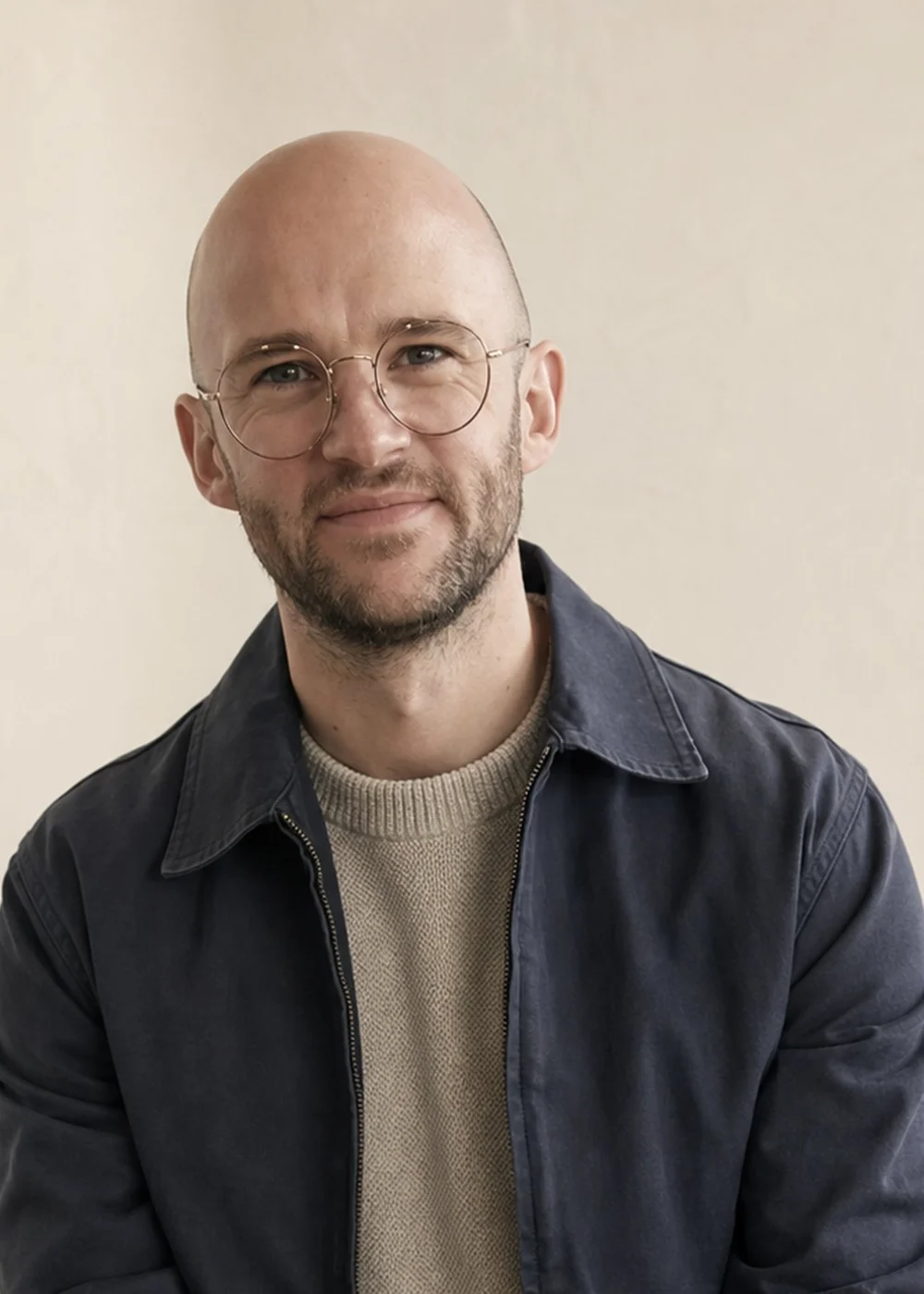
I’m Steve Quinlan. I have run experimentation and optimisation programmes across charities, banks, retailers and car makers, and I have been building production AI inside NatWest since 2023. The context has changed. The discipline has not: start with the problem, define what better means, test the smallest useful version and measure the result.
Today I help ambitious professionals turn AI from an occasional shortcut into a way of working that makes them faster, sharper and more valuable in the job. Not another prompt to save. An approach built around your tasks, your standards and your judgement.
Different sectors, same pattern.
For more than a decade I ran testing and optimisation programmes across charities, banks, retailers and car makers. RNLI, Farrow & Ball, NatWest, Vitality, LV= and Alfa Romeo. The contexts changed. The job stayed remarkably consistent: find the opportunity, test the assumption and use evidence to decide what deserves more investment.
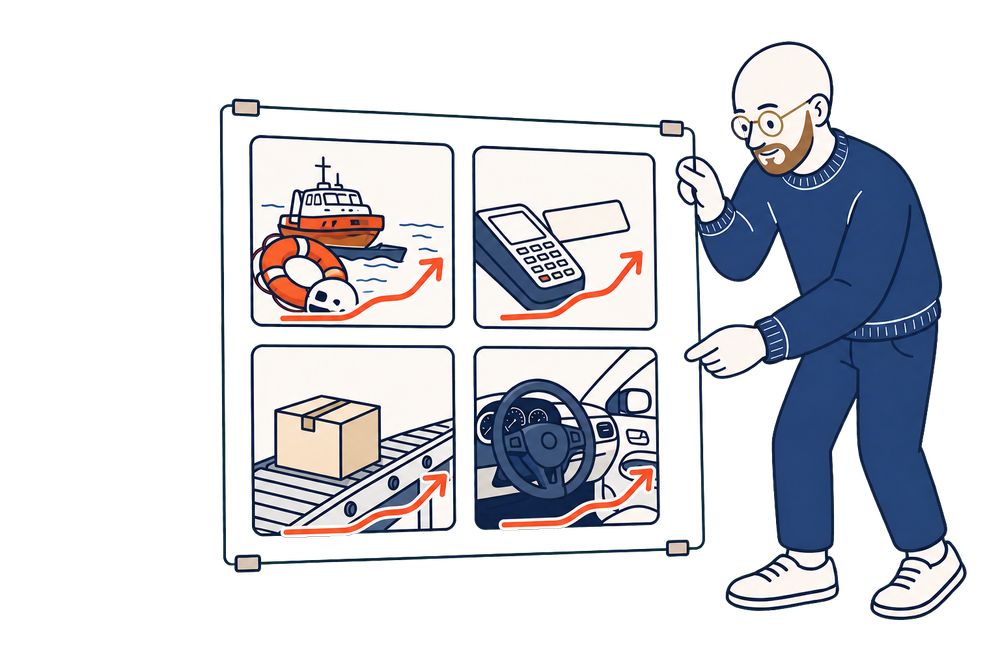
At the RNLI, increasing donation journey conversion by +28% did more than improve one number. It gave a sceptical board enough evidence to fund the full experimentation programme. One proven result changed the ambition.
The same approach contributed to +14% more health quote leads at Vitality and +162% year-on-year growth in colour consultant bookings at Farrow & Ball.
Running experiments for that long teaches you far more than A/B testing. It teaches product thinking, user experience, analytics, prioritisation and how to work across engineering, design and commercial teams. More importantly, it teaches you how to build a repeatable process around uncertainty: define the problem, decide what good looks like, test the smallest useful version, measure the result, then improve or stop.
That is why experimentation matters to AI. It stops a convincing demonstration from becoming an expensive habit and helps a useful result become a system people can trust.
AI is the tool. The way you work with it is the edge.
Since 2023 I have been building production AI inside NatWest. In a regulated bank, a clever demonstration is not enough. The work has to survive real data, governance, quality standards and people who need to trust the result.
In one workflow, I designed a five-stage AI system that reduced a structured review from five hours across three skilled roles to 20 minutes with one engineer. It preserved the review depth, tied every finding to evidence and passed the finished work directly into the team’s work queue.
For this website, I took a different problem and applied the same principles. Instead of asking one chatbot to do everything, I built 11 specialist AI roles. Each has a defined job, source material, quality standards, a place in the sequence and a clear approval point. Together they research, draft, review and manage the work. The AI proposes. I decide.
That is the difference between using AI and getting value from it. The model matters. The surrounding system matters more: the task, the source material, the sequence, the quality standard, the memory, the measurement and the person accountable for the result.
Experimentation is how I discover what belongs in that system. I call it The Edge Loop:
The goal is not to become good at AI. It is to become better at the work people already value you for.
See the AI team at workBeyond the brief.
The work I do for myself is often where the most useful ideas start.
ChatGPSteve
In 2023 I built ChatGPSteve, an interactive version of my CV built from 12 years of career history. Instead of scrolling through a timeline, you can ask what I have done and get an answer in my voice, with sources.
It began with a simple question: what does a CV become when you can talk to it?
Building it forced me to solve the less glamorous questions behind useful AI. Which sources should it trust? How does it stay in my voice? What should it do when the evidence is not there? Those same questions now sit inside every AI system I build.
The bookshelf
The bookshelf holds the books that shaped how I work. The Lean Startup, Testing Business Ideas, Hooked and the product titles I keep returning to.
It is a window into the ideas behind the method: understand the job, test the assumption, measure the result and keep learning.
My own work is the first test bed. I share what earns a place.
Start with one real experiment.
Every fortnight I run one AI experiment on a real piece of work and send you the honest result: the setup, what changed, how I measured it, and what I kept or binned.
Each issue ends with one experiment you can adapt to your own work before the next one arrives.
It is not another prompt pack. It is a tested starting point, plus the thinking you need to make it yours.
Prefer to talk? Get in touchOne email every fortnight. Unsubscribe whenever.